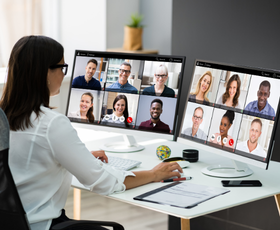
In today’s always-connected environment, maintaining a healthy balance between work and personal life has become increasingly complex. Digital tools make work more flexible, but they also extend it beyond traditional boundaries, often into evenings, weekends, and personal moments.
Many professionals feel pressure to stay constantly available, which can gradually erode personal time and increase stress. Recognizing this reality is the first step toward building a sustainable routine that supports both performance and well-being.
By applying intentional strategies—such as boundary-setting, time management, and mindful use of technology—it is possible to regain control and create a healthier, more balanced lifestyle that benefits individuals and organizations alike.
Why Balance Between Work and Life Matters
Work-life balance reflects how effectively individuals manage professional responsibilities alongside personal needs, relationships, and rest. When balance is present, people tend to feel more energized, focused, and satisfied with their work.
A well-balanced routine supports mental and emotional health. Time away from work allows the brain to recover, reducing chronic stress and helping prevent exhaustion. This recovery directly influences creativity, decision-making, and long-term productivity.
Organizations also benefit when employees maintain balance. Teams with healthier routines show higher engagement, lower turnover, and stronger performance over time. Supporting balance is not only a personal priority but a strategic advantage.
Ultimately, balance is not about equal time—it is about sustainable rhythms that allow people to perform well without sacrificing their well-being.
Establishing Clear Boundaries in a Digital Environment
Digital tools make it easy for work to spill into personal life. Setting clear boundaries is essential to prevent constant interruption and mental overload.
Defining consistent work hours helps establish expectations with colleagues and clients. Clear start and end times make it easier to focus during work periods and fully disconnect afterward.
Limiting device use outside working hours is another powerful step. Designating screen-free moments or areas helps protect personal space and encourages mental clarity.
Open communication is key. When boundaries are clearly expressed, others are more likely to respect them. Healthy boundaries contribute to mutual trust and a more respectful work culture.
Managing Time with Intention and Focus
Effective time management supports balance by helping individuals make better use of their working hours. When time is used intentionally, less spills into personal life.
Prioritization techniques help identify which tasks truly require attention. Separating urgent tasks from important ones prevents unnecessary stress and improves decision-making.
Scheduling work in focused blocks encourages deeper concentration and fewer distractions. This structure also makes it easier to plan personal time without overlap.
Short, regular breaks are equally important. Pausing throughout the day helps maintain energy levels and reduces fatigue, allowing work to be completed more efficiently.
Using Technology Without Letting It Take Over
Technology can either support balance or undermine it, depending on how it is used. Digital tools enable flexibility, collaboration, and remote work, but they can also create pressure to stay constantly connected.
Managing notifications and communication expectations reduces unnecessary interruptions. Choosing when and how to engage with digital tools gives individuals greater control over their attention.
Wellness-focused applications can also support balance by encouraging breaks, movement, or mindfulness during the workday. These reminders promote healthier habits without disrupting productivity.
Organizations play a role as well by selecting tools that promote flexibility rather than constant availability. Thoughtful technology use strengthens both performance and well-being.
Building a Supportive Work Culture
A healthy work-life balance is easier to maintain in an environment that values well-being. Leadership behavior and organizational policies strongly influence employee routines.
Flexible scheduling and remote work options allow individuals to better integrate personal responsibilities with professional demands. Autonomy increases satisfaction and trust.
Access to well-being resources—such as stress management programs or mental health support—signals that balance is a shared priority, not an individual burden.
Open dialogue also matters. When employees feel safe discussing workload and boundaries, organizations can adapt before burnout becomes an issue.
The Long-Term Benefits of a Balanced Lifestyle
Sustainable balance delivers lasting benefits. Individuals experience lower stress, improved focus, and stronger overall health when personal time is protected.
Balanced employees are more engaged and motivated. They bring greater energy and creativity to their work, which improves collaboration and outcomes.
From an organizational perspective, balance reduces absenteeism, improves retention, and strengthens workplace morale. Teams perform better when well-being is respected.
In the long run, balance supports resilience—helping people adapt to change without sacrificing their physical or mental health.
Conclusion
Achieving balance in a digitally connected world requires intention, discipline, and support. By setting boundaries, managing time effectively, and using technology mindfully, individuals can protect their personal lives while remaining productive at work.
Organizations and employees share responsibility in creating healthier routines. When balance is prioritized, workplaces become more sustainable, engaged, and successful.
In a fast-paced digital age, work-life balance is no longer optional—it is essential. With thoughtful strategies and supportive cultures, it is possible to build a lifestyle where both work and life can thrive together.